
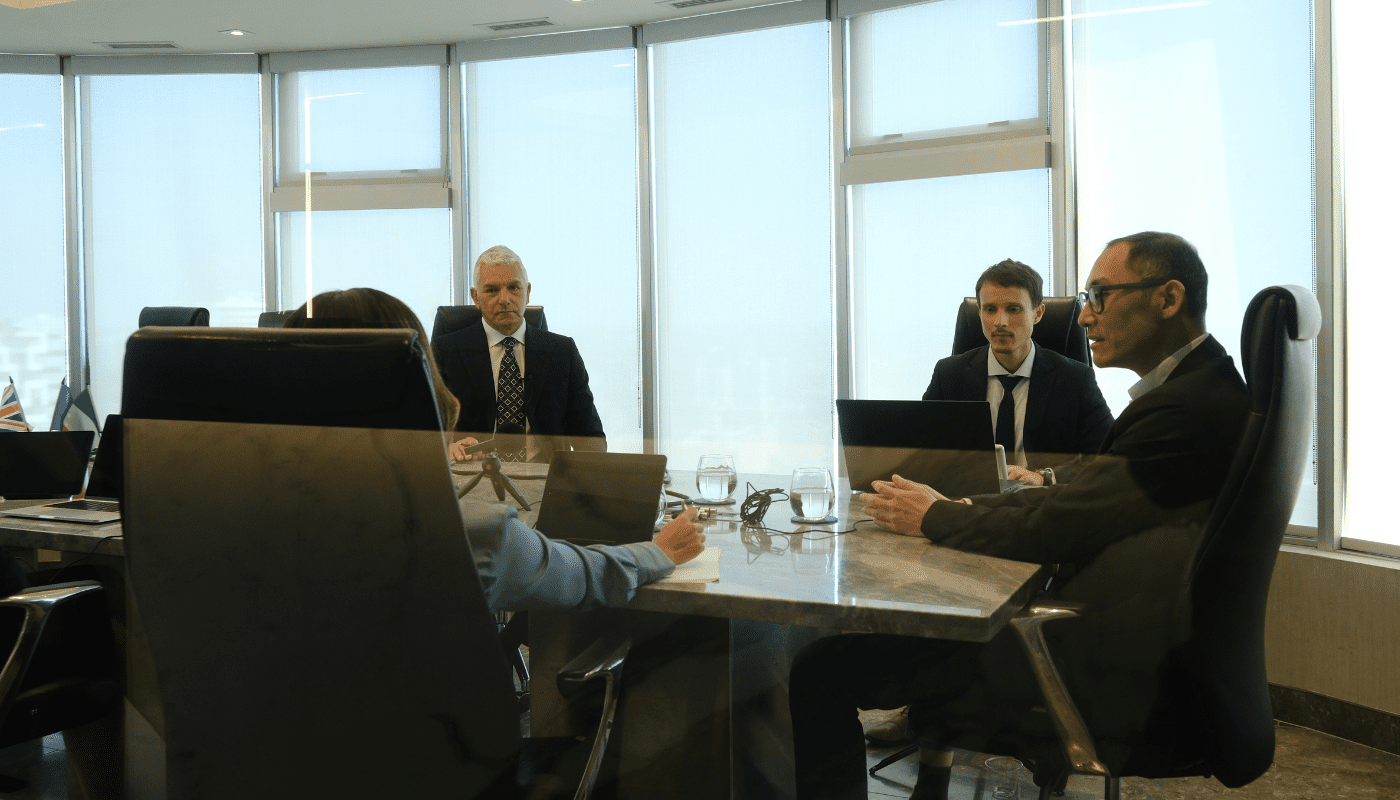
For years, states have been working hard to replace their official court reporters with digital audio and video recording systems in an attempt to save their taxpayers money. What they’ve discovered time and again, however, is that court reporters are still a necessary and integral part of the system. As a result, many courts are now seeking the expertise of court reporting services in California to ensure accurate documentation of legal proceedings. These services offer a level of precision and reliability that technology alone cannot replicate. By employing skilled court reporters, courts can maintain the integrity of the judicial process while also enhancing the overall efficiency of their operations.
In 2001, Texas Brought back stenographic reporters after trying both audio and video recording methods, citing the reporters’ “ability to have an immediate transcript,” as well as “inherent problems and inaccuracies in transcription of recorded proceedings,” and “unanticipated costs and additional personnel to perform all the functions that a stenographic reporter provides.”
Other states, like Oregon, did away with most of its official reporters, only to discover that counsel now want to bring them back. Because court reporters are needed in so many venues other than court, a shortage in qualified reporters is anticipated to hit the Kansas courts within the next five to ten years. Thanks to the National Court Reporters Association’s efforts, however, court reporting schools are seeing increased enrollment, hopeful that they will be able to stem this tide. As the field evolves, emerging technologies in court reporting are becoming essential for enhancing efficiency and accuracy. These innovations not only streamline the transcription process but also offer new tools for remote reporting, which is crucial in today’s digital landscape. With the advent of advanced software and real-time captioning, the future of court reporting looks promising despite the current challenges.
Voice recognition is improving daily, and is now used by “voice writers” in venues ranging from officialships to television captioners. Until voice recognition can track every speech pattern, regardless of accent, through the closing of doors, sliding of chairs and crinkling of paper, however, either a stenotype or voice writing reporter will remain the “keepers of the record.”