
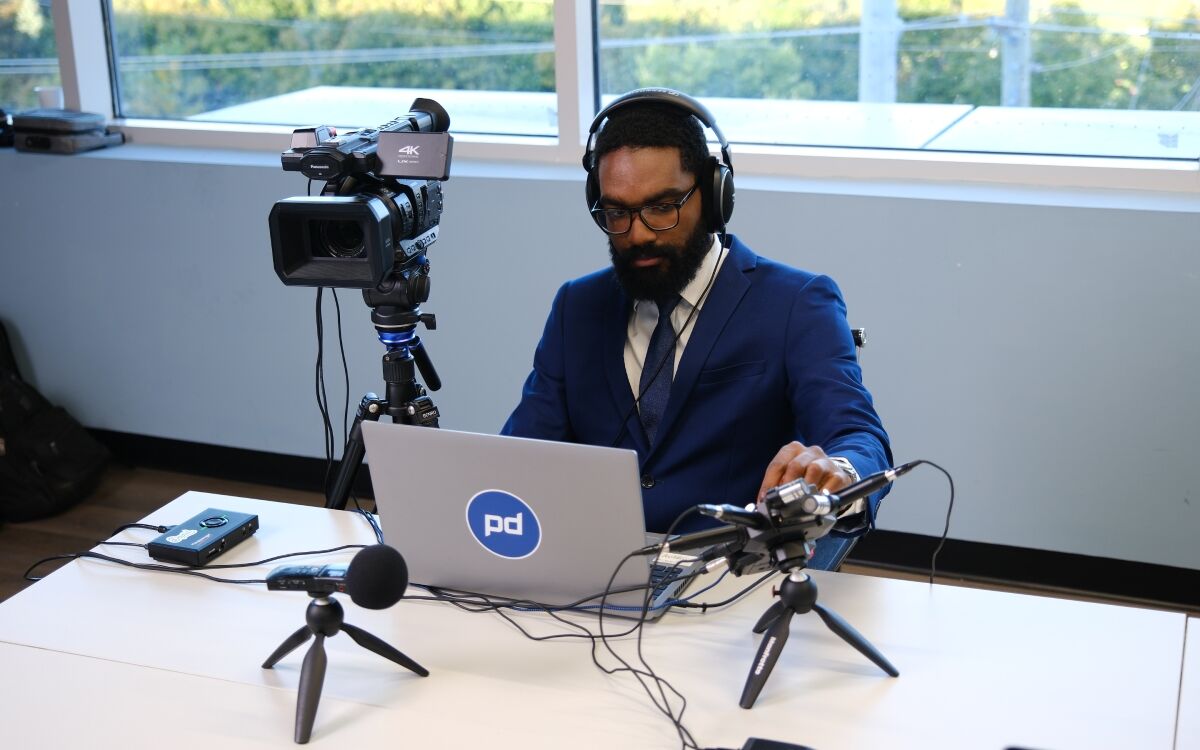
Court reporter transcripts remain essential. They provide the verbatim record of proceedings and serve as a reliable reference throughout a case. At the same time, video adds another dimension to the record by capturing facial expressions, vocal inflection, timing, and other nonverbal cues. Together, transcripts and video create a more complete representation of testimony, preserving both the exact words spoken and the visual context in which they were delivered.
Throughout this article, you’ll discover how legal videography can enhance your case. We’ll explore the professional standards and technical requirements that make video evidence admissible in court, examine practical applications across different litigation scenarios, and show you how Planet Depos’ integrated approach delivers superior results.
What Is Legal Videography and Why Does It Matter?
Legal videography is a specialized discipline that goes far beyond simply pointing a camera at a witness. It’s the professional capture, preservation, and presentation of visual and auditory records in legal proceedings, creating a multisensory documentation that complements the written transcript. Unlike creative videography that focuses on artistic expression, legal videography prioritizes objective accuracy, technical precision, and courtroom admissibility.
The Role of a Legal Videographer
A legal videographer serves as a neutral officer of the court, responsible for creating an objective, admissible visual record that maintains the integrity of legal proceedings. Far from being a passive camera operator, a professional legal videographer brings specialized expertise that ensures the video record meets stringent legal standards and captures testimony in a manner that serves the interests of justice.
The partnership between court reporters and legal videographers creates a comprehensive documentation system. While the court reporter captures the record, the videographer simultaneously captures the visual and auditory elements that words alone cannot convey. This dual-record approach provides legal teams with both searchable text and visual evidence, offering flexibility in how testimony is reviewed, analyzed, and presented.
Core responsibilities extend across multiple areas of legal practice:
- During depositions, videographers record witness testimony under oath, managing equipment setup, audio levels, lighting, and camera positioning to create clear documentation of every participant.
- In courtroom settings, they document trial proceedings, hearings, and arguments as required by the court.
- Evidence documentation: Legal videographers film evidence at crime scenes, accident sites, and property locations to preserve conditions before they change.
- Day-in-the-Life videos: They create documentary-style videos that document the daily challenges faced by injured plaintiffs in personal injury cases, providing juries with powerful visual context for damages claims.
What Video Captures that Transcripts Cannot
The phrase “a video is worth a million words” takes on literal truth in legal contexts. While transcripts provide the spoken words, video captures the visual and auditory context that accompanies the spoken testimony recorded in the transcript. This comprehensive record includes:
- Facial expressions that reveal emotional states
- Body language that indicates comfort or stress
- Hand gestures that emphasize or contradict spoken statements
- Eye contact patterns that suggest confidence or evasion
Consider the witness who answers questions about a disputed contract during remote legal proceedings. The transcript shows straightforward “yes” and “no” responses. The video reveals that before each answer, the witness glances at their attorney, shifts their weight, and pauses noticeably. These non-verbal cues provide critical context that can transform how the jury interprets the testimony. Physical reactions like fidgeting, sweating, or nervous mannerisms become part of the evidentiary record, offering insights into witness credibility that no written description can adequately convey.
Witness Credibility Assessment and Impeachment
Juries assess witness credibility through a complex evaluation of verbal and non-verbal factors. They observe confidence levels, consistency in responses, emotional reactions to questioning, and overall demeanor to determine whether a witness is truthful and reliable. Video provides additional visual context that can support this assessment, allowing fact-finders to evaluate testimony the way humans naturally evaluate communication.
Planet Depos’ Planet Viewer software amplifies this strategic advantage by providing synchronized text-to-video transcripts, enabling attorneys to instantly locate and create video clips. Instead of spending hours searching through video files, you can search the transcript text for keywords or phrases, and the software immediately jumps to that exact moment in the video. This functionality transforms trial preparation, allowing you to build a library of impeachment clips organized by topic, witness, or issue.
Compelling Trial Presentations and Settlement Negotiations
Modern juries expect visual information. They’ve grown up with television, movies, and internet video, and they process visual content more naturally and effectively than text-based presentations. When you present video evidence, you’re speaking the language that contemporary juries understand best, creating engagement and comprehension that static documents cannot achieve.
Planet Depos offers specialized video production services that transform evidence into compelling narratives:
- Narrative videos add context to complex scenarios, helping juries understand the sequence of events, the relationships between parties, and the significance of key moments.
- Site inspection videos preserve critical evidence at accident scenes, crime scenes, or property locations, allowing juries to virtually visit locations they cannot physically access.
- Accident scene documentation supports reconstruction efforts, providing visual context for expert testimony about how incidents occurred.
Synchronized video clips with integrated exhibits create dynamic trial presentations that hold jury attention and improve comprehension. Rather than displaying a document on one screen while reading testimony about it from another source, you can play a video clip in which the witness discusses the document, with the document itself appearing alongside their testimony. This integrated approach helps juries connect testimony to evidence in real time, strengthening the impact of both elements.
Professional Standards and Technical Excellence in Legal Videography
The difference between amateur video and professional legal videography lies in adherence to rigorous standards, specialized equipment, and comprehensive training that make certain the visual record meets courtroom requirements and delivers reliable, admissible evidence.
Certification and Professional Ethics
The Certified Legal Video Specialist (CLVS) program, administered by the National Court Reporters Association, represents the industry’s gold standard for professional competence. This certification means videographers understand not just camera operation, but the legal protocols, ethical obligations, and technical requirements specific to legal proceedings.
The CLVS Code of Professional Ethics binds certified specialists to strict standards of conduct. Impartiality and neutrality are paramount; videographers must not offer opinions on testimony, show favoritism to any party, or use camera angles or framing that unfairly portrays participants. For example, low-angle shots that make a witness appear intimidating or dominant are prohibited, as are framing choices that exclude relevant participants or reactions.
Equipment and Technical Requirements
High-definition cameras with permanent time-date stamps embedded directly in the video signal form the foundation of professional legal videography. These timestamps, burned into the video footage itself rather than added in post-production, provide irrefutable documentation of when testimony occurred and protect the integrity of the record in legal settings. Planet Depos uses professional-grade, high-definition cameras in digital format, with various camera placements and setups adaptable to any recording location.
Audio quality is just as important as video quality in legal settings, especially in remote legal proceedings. Every word, question, objection, and sidebar comment must be captured clearly without background noise interference, which is crucial for effective court reporting services. Professional setups include:
- Multiple wired microphones (typically three to six minimum)
- Separate microphones for the witness, questioning attorney, defending attorney, and the videographer
- Wired systems are preferred over wireless to eliminate interference or signal dropout risks
Professional lighting kits and neutral backdrops make certain witnesses are clearly visible without distracting background elements. Portable lighting allows videographers to compensate for poor natural lighting in conference rooms or other deposition locations, maintaining consistent visibility throughout lengthy proceedings. Neutral backdrops, typically in gray or blue tones, eliminate visual distractions and keep focus on the witness and their testimony.
Redundancy systems are essential for professional practice. Planet Depos builds backup redundancies into all video productions, making certain that if primary recording equipment fails, a secondary system captures the testimony without interruption. This redundancy protects against the catastrophic loss of testimony that could result from equipment failure during critical proceedings.
Synchronization software represents another critical technical component, enabling the mapping of time-stamped video to court reporter transcript files. This technology allows attorneys to search transcript text and instantly jump to the corresponding moment in the video, creating the powerful text-to-video integration that makes video depositions so valuable for trial preparation and presentation.
Key Applications of Legal Videography Throughout the Litigation Process
Legal videography serves multiple strategic purposes across different stages and types of legal proceedings, providing visual documentation that strengthens cases from discovery through trial.
Deposition Recording and Remote Depositions
Traditional in-person deposition recording represents the most common application of legal videography. During these proceedings, videographers capture witness testimony under oath before trial begins, documenting the discovery process in ways that serve multiple strategic purposes. The video record preserves testimony for later use at trial, creates opportunities for impeachment if witnesses change their stories, and provides visual documentation of witness demeanor, making it a cost-effective tool for legal professionals.
Professional videographers frame depositions carefully to ensure all participants are properly documented while maintaining neutrality. They coordinate with court reporters to synchronize timestamps for orderly proceedings and handle technical aspects such as exhibit display and audio management to keep depositions running smoothly. Planet Depos videographers are trained to frame depositions in ways that create timely, orderly conduct while capturing the complete visual record necessary for trial use.
The evolution to remote legal proceedings has changed how legal professionals approach case preparation and presentation. Remote depositions have transformed the legal videography field without diminishing the importance of professional video services. While basic video conferencing platforms can transmit images and audio, they typically lack the professional quality, comprehensive documentation, and technical sophistication needed for depositions intended for trial.
Site Inspections and Evidence Documentation
Physical evidence and environmental context often cannot be brought into the courtroom, making video documentation essential for preserving and presenting this critical information. Site inspections allow legal teams to document property conditions, accident scenes, crime scenes, or other relevant locations before conditions change, witnesses’ memories fade, or physical evidence deteriorates.
Video documentation provides juries with a virtual walk-through of relevant locations, helping them understand spatial relationships, dimensions, lighting conditions, and environmental factors that photographs alone cannot adequately convey. A photograph captures a single moment from a single angle; video allows viewers to experience the space as they would in person, moving through it and observing it from multiple perspectives.
The value of site inspection video extends beyond simple documentation. Video captures environmental factors like:
- Traffic patterns
- Sight lines
- Lighting conditions at specific times of day
- Dynamic elements that static photographs miss
For premises liability cases, video can document hazardous conditions, inadequate lighting, or obstructed views. For accident reconstruction, video provides the spatial context that helps experts explain how incidents occurred.
How Planet Depos Delivers Superior Legal Videography Services
Planet Depos combines cutting-edge technology, certified expertise, and integrated service delivery to provide legal videography services that exceed industry standards and deliver exceptional value to legal teams.
Integrated Services and Seamless Service Delivery
The Planet Depos approach to legal videography centers on integration and coordination. Their Planet Pro™ reporters are cross-trained as reporters, professional videographers, and remote technicians, creating a well-rounded professional that understands both the written and visual record requirements. This integrated expertise eliminates the coordination challenges that arise when separate vendors handle court reporting and videography, creating seamless service delivery from scheduling through final deliverables.
When Planet Depos handles both court reporting and videography for your proceedings, you can request text-to-video synchronization, which provides precise matching of timestamps between the transcript and the video. This synchronization happens automatically because the same team manages both records, eliminating the technical challenges and potential errors that can arise when synchronizing records created by different vendors using different timing systems.
The efficiency gains from integrated service delivery extend throughout the litigation process:
- One point of contact for scheduling
- One vendor relationship to manage
- Coordinated deliverables that arrive together
- A unified team that understands the complete picture
Planet Depos videographers serve as adept technicians, providing on-site troubleshooting to keep proceedings on track when technical issues arise. Whether it’s resolving audio problems, managing exhibit display challenges, or handling connectivity issues during remote proceedings, our videographers have the expertise to quickly master unforeseen difficulties and prevent delays.
The Planet Pro Litigation Technology Suite, powered by artificial intelligence, further streamlines proceedings by offering real-time transcriptions, next-day, audio-synced draft transcripts, and AI-generated summaries that accelerate work and minimize costs. This advanced technology integrates with their videography services to provide comprehensive documentation and analysis capabilities that traditional approaches cannot match.
Global Coverage and Expert Support
Planet Depos is the only court reporting firm with native English-speaking, U.S.-certified legal videographers living on the ground across Europe and Asia, enabling coverage of depositions, meetings, and site inspections worldwide with local expertise. This global reach makes certain that your cases receive professional videography services regardless of where proceedings occur, eliminating the quality compromises that often result from using unfamiliar vendors in distant locations.
Planet Depos’ international videographers have more than a decade of experience in international depositions, with particular expertise in navigating the logistical complexities that arise when conducting proceedings in foreign countries. They provide local logistical support that extends beyond videography to include assistance with hotel coordination, transportation arrangements, and guidance on local customs and requirements that can affect proceedings.
The security measures protecting your confidential information remain comprehensive regardless of the location of the proceeding. Planet Depos implements stringent data security protocols, making certain all client data remains confidential and secure, whether proceedings occur domestically or internationally. This commitment to security means you can proceed with confidence knowing your case information is protected throughout the videography process.
Overcoming Common Challenges in Legal Videography
Professional legal videography addresses numerous practical challenges that can compromise the quality and effectiveness of video evidence if not properly managed.
Technical Issues and Equipment Management
Technical issues can disrupt proceedings and create gaps in the record if not resolved quickly. Planet Depos’ videographers are expertly trained in on-site troubleshooting, capable of diagnosing and efficiently resolving audio problems, video quality issues, connectivity challenges, and equipment malfunctions. This technical expertise prevents minor problems from becoming major disruptions that delay proceedings or compromise the record.
Capturing complete testimony with proper audio in challenging environments requires specialized knowledge and equipment. Background noise from HVAC systems, traffic, hallway conversations, or construction can ruin audio quality if not properly managed. Planet Depos videographers use professional audio equipment, including multi-channel mixers and multiple microphones to isolate voices and minimize interference, creating clear audio capture regardless of environmental challenges.
Backup redundancies built into all Planet Depos video productions prevent the catastrophic loss of testimony that could result from equipment failure. This dual-recording approach ensures that if primary equipment fails, secondary systems capture the proceeding without interruption, protecting the integrity of the record and preventing costly re-depositions.
Security, Admissibility, and Evidence Presentation
Data security and confidentiality concerns are paramount in legal proceedings involving sensitive information. Planet Depos implements comprehensive security measures, including encrypted file transfers, secure storage systems, and strict access controls to keep all client data confidential and secure.
Admissibility requirements for remote deposition video can be challenging to meet with basic videoconferencing platforms. Professional videography captures the full context needed for trial use, including proper framing, adequate lighting, clear audio, and complete documentation of the proceeding. Planet Depos’ professional approach to remote depositions ensures the video record meets courtroom standards and can serve as an effective substitute for live testimony when necessary.
Effective evidence presentation requires integration of video testimony with exhibits and other case materials. Planet Depos addresses this challenge through Planet Viewer’s integrated exhibit capabilities and compatibility with popular trial presentation software. This integration enables you to create dynamic presentations that combine video testimony, documentary exhibits, and demonstrative evidence to maximize jury comprehension and engagement.
Best Practices for Maximizing the Value of Legal Videography
Strategic planning and thoughtful execution maximize the benefits legal videography provides throughout the litigation lifecycle.
Planning and Scheduling
Early scheduling provides availability of certified specialists and prevents last-minute scrambling that can result in settling for less-qualified providers or missing videography opportunities entirely.
Specify deliverables upfront to make certain you receive exactly what your case requires. Communicate your needs for transcript synchronization, clip editing for trial presentation, specific file formats compatible with your trial presentation software, and any specialized production requirements. Clear communication prevents misunderstandings and makes certain final deliverables match your expectations.
Confirm equipment specifications for complex cases involving multiple speakers, site visits, or challenging environments. Discuss your specific needs with Planet Depos to make sure the videographer brings appropriate equipment, including sufficient microphones for all participants, adequate lighting for the location, and any specialized gear required for site documentation or unusual recording scenarios.
Professional Standards and Coordination
Request Certified Legal Video Specialists to ensure adherence to professional standards and an understanding of legal protocols. CLVS certification guarantees that your videographer has demonstrated competence in the technical, ethical, and procedural requirements of legal videography, reducing the risk of admissibility challenges or quality issues.
Coordinate with videographers before depositions to discuss witness positioning, exhibit handling procedures, and any special requirements your case presents. This advance planning prevents confusion during proceedings and makes certain the videographer understands your priorities and expectations.
Conclusion
Legal videography has evolved from an optional add-on to an essential component of an effective litigation strategy. The ability to capture and present the complete evidentiary record, including demeanor and non-verbal communication that are not reflected in the written transcript, makes professional video services indispensable in modern legal practice.
Planet Depos stands at the forefront of legal videography innovation, combining certified expertise with cutting-edge technology to deliver superior results. Contact Planet Depos today to discuss your case and explore professional legal videography and court reporting solutions.
Frequently Asked Questions
What is legal videography?
Legal videography captures both the visual and audio record of testimony so attorneys and courts can review not just what was said, but how it was said. It can also include specialty videography, like site inspections and day-in-the-life videos that add additional context to testimony.
Is legal videography admissible in court?
Yes. When recorded by a trained professional in accordance with proper legal standards, video depositions and recordings are commonly admitted as evidence, especially when a witness cannot appear in person.
What does a legal videographer do during a deposition?
A legal videographer sets up professional cameras, microphones, and lighting, ensures audio and video quality, and records the proceedings in accordance with legal guidelines so the footage can be used in court.
How can video depositions help at trial?
Attorneys can present video clips to show key testimony, highlight inconsistencies, or demonstrate witness demeanor. Video also allows testimony to be shown when a witness is unavailable to attend the trial.
What types of cases benefit from legal videography?
Legal videography is useful in many cases, including personal injury, medical malpractice, insurance disputes, commercial litigation, and accident investigations.