
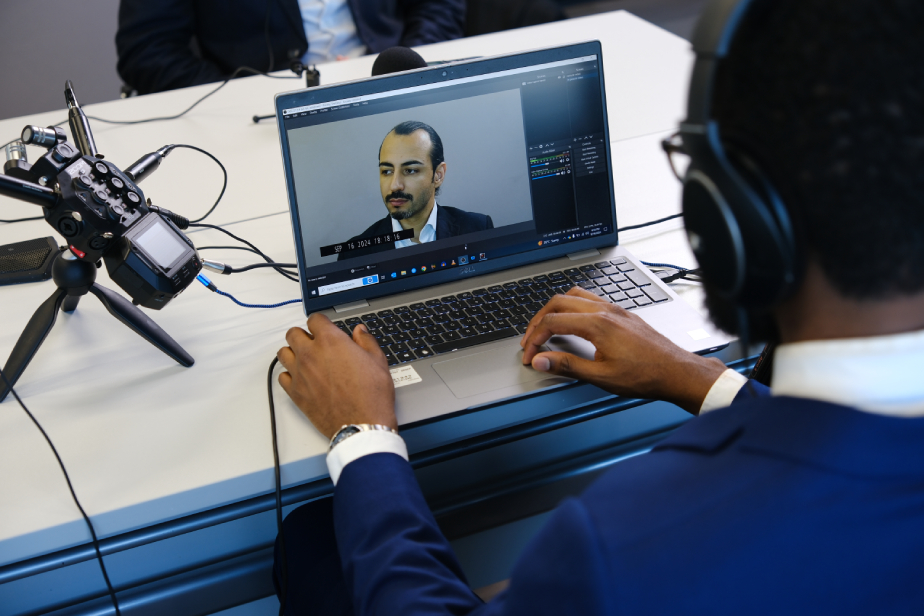
Introduction
Depositions today can be conducted in multiple formats, depending on the needs of the case, the participants, and the location/jurisdiction. While technology has expanded what is possible, the core expectation remains the same: a professional court reporter producing an accurate, reliable record.
As more legal teams evaluate online and remote deposition options, the challenge is no longer whether these services exist, but where to find providers that deliver a seamless experience. Not all online deposition services are built the same, and the differences matter.
This guide focuses on where to find online remote deposition services and what to look for when evaluating them, including the technology, reporting expertise, and operational support that contribute to the process.
Key Takeaways
- Remote deposition services provide a fully equivalent alternative to in-person proceedings when handled correctly. You still have a sworn witness, a certified court reporter, and a clear record; the room is simply virtual rather than physical. The right platform ties together video, audio, exhibits, and live transcript feeds (if applicable).
- Law firms can choose virtual deposition services to cut travel and save time. You can include co-counsel, witnesses, and experts from different cities or countries without worrying about flights, visas, or meeting rooms. When you remove travel from the equation, you can keep your team focused on case strategy instead of worrying about costs or logistics. Plus, Planet Depos’ services can be delivered anywhere in the world.
- Strong online court reporting platforms share common traits: high‑definition video, clear audio, integrated exhibit management, live transcript feeds, and a secure online repository. These pieces work together so you can question the witness, mark and annotate exhibits, and review testimony in near real time. A basic video chat app cannot deliver that level of control.
- Technology only works when backed by trained professionals. You also need certified court reporters, experienced legal videographers, interpreters when needed, and dedicated remote technicians. These professionals handle swearing in the witness, recording the proceeding, technical support, and international details so you do not have to. That support keeps your attention on the witness rather than on the platform.
- A clear comparison checklist prevents surprises. Experience with remote legal depositions, global coverage, strong data security, and hands‑on support are all key. Planet Depos brings those components together, along with advanced litigation technology tools like the Planet Pro™ Suite, to provide comprehensive coverage for remote depositions.
What Are Remote Deposition Services?
Remote deposition services give you a way to take sworn testimony over a secure video connection instead of in a shared physical room. The court reporter, witness, examining attorney, defending attorney, and any observers can all join from separate locations. The proceeding still follows the rules of civil procedure, so the testimony carries the same weight as an in-person deposition.
A fully remote legal deposition is more than a simple video call. You have professional court reporters to take down the record, legal videographers to capture high‑quality audio and video, and ways to mark and manage exhibits. In many cases, you can also view the transcript feed in real time during the deposition with realtime streaming from a stenographer or Planet Stream™ from a Planet Pro digital reporter. Additional settings include secure virtual rooms, private breakout spaces for attorney‑client discussions, and controlled access that allow only invited parties to join. When done well, the experience mirrors an in‑person deposition.
You can think of a modern remote deposition service as three parts working together:
- The platform supplies high‑definition video and clear audio so everyone can see and hear the witness without strain. It adds features that standard video chat tools lack, such as exhibit management, secure chat, and the ability to place people in private rooms for off‑the‑record conversations. This gives you a controlled, professional setting for your examination.
- The human team includes certified court reporters, legal videographers, interpreters (if needed), and remote technicians. They handle swearing in the witness, going on/off the record, managing cameras and microphones, and fixing technical problems as they arise. Their presence keeps everything on track while the remote deposition takes place in the background.
- The post‑deposition deliverables include final certified transcripts, video files, and exhibits stored in a secure online repository. You and your team can log in later to review, download, and share materials for easy case management and collaboration.
Why Law Firms are Choosing Remote Deposition Services
Many firms now treat remote depositions as a routine option rather than a contingency. What began as a practical response during the COVID-19 pandemic has continued because the efficiency benefits are clear. Without the need for travel, a deposition can remain a focused, uninterrupted block of time dedicated to testimony, rather than a multi-day logistical commitment.
Cost savings are another benefit of remote depositions. Airfare, hotels, car services, meals, and conference room rentals add up quickly, especially for expert witnesses or multi‑party matters. When you use online deposition services instead, those costs disappear, and you gain several hours of time for planning and prepping that would have been spent in transit. For corporate legal departments and law firm clients, that can make a huge difference.
Remote depositions can also free up your calendar. It is far easier to line up a two‑hour video slot than to carve out two travel days for every attorney, witness, and court reporter. This flexibility is especially clear in cross‑border matters where time zones can make in‑person scheduling a challenge. Virtual deposition services let you pull in co‑counsel, in‑house counsel, or experts from other offices without asking anyone to board a plane.
You can think of the advantages in four broad categories:
- Lower direct costs on travel, lodging, and room rentals
- Better use of attorney time, with less time lost in transit
- Greater scheduling flexibility across offices, time zones, and attending parties
- Improved access to tools, such as realtime feeds and online exhibits
Essential Technology Features to Look for in Remote Deposition Platforms
Once you decide to use remote depositions, the next step is choosing the right platform. A generic video meeting tool may get you part of the way there, but legal depositions need more. Certain technology features make the difference between a stressful experience and a smooth, repeatable process.
High‑quality video and audio sit at the core. You want high‑definition video so you can read a witness’ facial expressions and body language, along with strong noise reduction. Leading providers like Planet Depos design their systems so the spoken record does not suffer. Browser‑based access is another practical feature, as it lets witnesses join from common browsers rather than installing special software.
Integrated exhibit management is just as important. In a solid system, you upload documents before the deposition, organize them into folders, and keep them private until you decide to share them. During the proceeding, you can bring up an exhibit with a single click, direct everyone to the correct page, and mark it as an exhibit in real time. Annotation tools let you highlight text, draw shapes, add comments, and, when appropriate, grant the witness permission to mark the document as well.
Real-time transcript feeds give you a live view of the record while you question the witness. AI-powered speech-to-text (Planet Stream) can generate a live, searchable feed during the session, allowing you to scroll back through prior testimony, confirm exact wording, flag key moments, and refine follow-up questions without interrupting the deposition. After the session, transcripts can be synced with audio, summarized with key highlights, and delivered in just 5 business days on eligible proceedings, supporting both effective strategizing and efficient post-deposition review.
A secure online repository ties all of this together after the deposition ends. Instead of juggling email attachments and thumb drives, you log in to a central portal that stores your transcripts, video files, exhibits with their annotations, and invoices. Good systems, like Planet Depos’ Planet Portal™, keep everything organized by case and date, so your team can find what they need without digging through folders on a local drive.
When you evaluate virtual deposition services, it helps to keep a short tech checklist in mind:
- Check how easy it is for a witness to join from a standard browser without extra software. A smooth entry process reduces stress and helps you start on time, even when people are not tech-savvy. Simple access also means less time spent on pre‑deposition training.
- Ask to see a full exhibit workflow from upload through marking and downloading. You want to see how the platform handles private folders, live sharing, page control, and annotations during the session. A short demo often makes it clear whether the tools will support your normal questioning style.
- Look at how the platform delivers transcripts and video after the deposition. Some providers offer synced text‑to‑video files and powerful search features inside the repository. These extras save hours during trial preparation and can pay off across an entire docket.
The Critical Role of Humans in Remote Depositions
Even the best technology cannot run a remote deposition on its own. You need qualified people behind the platform.
The court reporter remains the central figure. This professional administers the oath, manages the exhibit list, and captures every word of testimony. In a remote setting, the reporter also monitors audio quality, confirms that everyone can hear and be heard, and flags any issues that could affect the record. All reporters who work at Planet Depos are also cross-trained as remote technicians, which lets them help you with small technical issues like connection issues or exhibit displays.
Legal videographers add an important visual layer, especially when you plan to use video clips at trial. A trained videographer knows how to frame the witness, balance lighting, and maintain a steady, clear image for the entire session. In remote depositions, videographers also watch for camera or audio problems, coordinate dual views when needed, and produce trial‑ready recordings once the deposition ends.
Interpreters play a key role in cross‑border and multilingual matters. Remote interpreted depositions can take longer and place more stress on audio channels, so it helps to work with interpreters who have specific experience in this setting. They understand how to coordinate with the court reporter, signal when they need clarification, and keep the pace steady so the record stays clear.
A strong support structure wraps around these core roles. An experienced provider will coordinate scheduling, arrange test calls, and help you navigate time zone issues.
Where to Find Comprehensive Remote Deposition Services: Introducing Planet Depos
When firms begin evaluating providers that can support depositions across formats, locations, and case requirements, the focus often shifts to comprehensive coverage rather than individual features. This is where Planet Depos is built to support those needs. As the largest independently-owned global provider of court reporting and litigation technology, Planet Depos has spent more than a decade refining remote options for complex cases. That experience shows in the way its teams handle both routine and high‑stakes matters.
Planet Depos offers full remote deposition services so you can take testimony from almost anywhere in the world. Through online scheduling, you can set up depositions across the United States, Europe, and Asia, and leverage their large network of certified court reporters, legal videographers, and interpreters. This global reach makes it easier to coordinate international witnesses without worrying about finding local providers in each region.
On the technology side, Planet Depos uses advanced tools such as Planet Pro™, an AI‑powered litigation technology suite that supports real-time feeds and smart testimony review. You benefit from high‑definition video, clear audio and integrated exhibit handling inside the platform. A complimentary, secure online repository stores your transcripts, exhibits, invoices, and calendar information so your team can access them at any time.
Electronic exhibit management is a core strength. You and your staff can upload exhibits from any device, organize them by case or witness, and share them with all cleared parties as needed. During the deposition, exhibits appear cleanly for every participant, and annotations stay attached to the files inside the repository. This approach reduces confusion, especially in document‑heavy matters that involve many parties and multiple days of testimony.
Service and support tie everything together. Dedicated case managers act as a single point of contact for large or complex litigation, tracking standing orders and last‑minute changes. Around‑the‑clock client support means you can schedule or adjust remote depositions when your case demands, not just during narrow office hours.
For legal teams that want a provider grounded in remote work, Planet Depos offers a clear answer. The combination of technology, global reach, experienced personnel, and secure, streamlined case management makes it a strong starting point for finding online remote deposition services that can scale to meet your needs.
Comparing Remote Deposition Service Providers: Key Selection Criteria
Choosing between deposition service providers can feel overwhelming, especially if each one presents a long feature list. A clear set of selection criteria helps you focus on what will matter. Instead of chasing every new feature, you can look for steady performance and support.
When you compare providers, pay close attention to:
- Experience with remote legal depositions. Ask how long the provider has handled remote work and whether they have managed international or interpreted depositions similar to yours. Providers like Planet Depos, which has covered remote proceedings for more than a decade, have established workflows and are prepared to address any problems that may arise.
- Platform capabilities. Review how the service provider handles high‑definition video, audio quality, exhibit management, realtime transcripts, and post‑deposition access. Request a live demo that walks you through joining from a clean browser, introducing an exhibit, sending participants to breakout rooms, and pulling a transcript or video after the session. It should feel natural for you and simple for a witness who may be less comfortable with technology.
- Security and compliance. Confirm that the provider uses strong encryption for data in motion and at rest, and ask about certifications that relate to your practice area, such as SOC 2 Type 2 or HIPAA for matters involving medical records. A secure online repository, backed by clear access controls and audit trails, helps you protect confidential client information while also satisfying internal IT policies.
- Support structure. Look for a model that offers scheduled test sessions, live technicians during each deposition, and dedicated case managers for complex matters. Ask how the provider handles urgent issues, last‑minute scheduling, and equipment problems. When you compare answers, you quickly see which companies view support as central rather than as an add‑on.
How to Prepare for Your First Remote Deposition
A remote deposition can feel very familiar if you give yourself time to prepare for your first remote deposition. Taking a few small steps before the proceeding can help you avoid distractions and protect the record. Treat the preparation as carefully as you would for an important in‑person deposition.
Start with your technology one or two days in advance. Use the provider’s test link to check your camera, microphone, and internet connection, and have any co‑counsel or staff who will join do the same. Many deposition service providers, including Planet Depos, offer scheduled test sessions where a technician walks each participant through the platform. Take advantage of that chance to see how exhibits appear, how to mute and unmute, and how to move into a private breakout room.
Next, organize your exhibits. If the platform supports integrated exhibit management, upload all likely documents ahead of time and sort them into folders by witness or topic. You can keep sensitive materials in private folders until you introduce them, which reduces the chance of sharing the wrong file. Consider annotating or pre‑marking some exhibits in your own private view so you can move faster when you are on the record.
On the day of the deposition, set up your space before you log in. Choose a quiet room with a neutral background, good lighting, and a door you can close. Don’t forget to silence notifications on your computer and phone as well. It helps to join the virtual room at least fifteen minutes early so you can confirm that everyone can see and hear clearly before you go on the record.
During the deposition itself, follow a few simple ground rules. Speak a bit more slowly than usual and be sure to enunciate so the reporter can accurately take down the record. Avoid talking over opposing counsel or the witness, and remind everyone to state objections clearly so the record reflects them. Use private breakout rooms for sidebars with your client, and confirm with the reporter when you go on and off the record.
After the session, log in to the online repository to confirm that the video, exhibits, and rough transcript appear as expected. You can review key sections while details are still fresh, flag testimony for follow‑up, and share materials with team members who could not attend live. This quick review also gives you time to raise any questions with the provider before the certified transcript is finalized.
For a fast recap, think in terms of:
- Testing technology ahead of time for every participant
- Organizing exhibits in clear, private folders
- Controlling your environment and conduct during the session
- Reviewing the record promptly once the deposition ends
Conclusion
Remote depositions have moved from a stopgap measure to a standard, practical part of modern litigation. When you choose the right partner, they give you the same clean record and control over exhibits that you would expect in person. The key is to pick online deposition services that combine solid technology with experienced people.
As you consider where to find online remote deposition services, keep your focus on the elements that protect the record. You need high‑quality video and audio, integrated exhibit tools, real-time access to the record, secure storage, and certified professionals who understand both the legal and technical sides of the process. A thoughtful preparation routine helps you, and your witnesses, step into the virtual room with confidence.
Planet Depos stands out as a provider that brings those pieces together, from advanced platforms like the Planet Pro Suite to a global network of court reporters, videographers, and interpreters. By using a service built around remote legal depositions, you give your team an efficient, stable way to conduct proceedings without the drag of constant travel. When your next case calls for a remote proceeding, you will know what to ask, what to expect, and where to turn for support.
Frequently Asked Questions
What should I look for when choosing a remote deposition platform for my legal team?
When evaluating remote deposition solutions, prioritize providers with platforms that integrate multiple capabilities into an all-in-one experience. Look for:
- High-definition video conferencing with stable audio and video quality that supports legal proceedings without technical disruptions
- Experienced court reporters who are certified and trained in conducting remote depositions using advanced litigation technology
- Exhibit management tools that let you share documents, mark exhibits in real time, and organize files efficiently
- Real-time transcript feeds so your legal team can follow testimony, flag sections for follow-up, and adjust case strategy on the fly
- Secure remote features, including encrypted connections, breakout rooms for attorney-client privilege, and access controls for invited parties only
- Certified legal videographers who deliver clean audio and video recordings
A quality remote deposition platform should feel as controlled as an in-person proceeding in a conference room. Platforms like the Planet Pro Suite combine digital capture methods, speech-to-text technology, and AI-powered enhancements like transcript summaries to give legal professionals a seamless experience, whether they’re handling remote, and in-person, or hybrid depositions.
How do remote legal deposition services compare to traditional in-person depositions?
Modern remote legal services provide the same court reporting coverage as in-person depositions while eliminating travel costs and logistical barriers. Here’s what stays the same and what improves:
What remains consistent:
- The deponent is sworn under oath by a certified stenographer or digital court reporter
- Stenographic or digital capture methods create a certified record
- The notice of deposition follows standard civil procedure rules
- Deposition transcripts are prepared, reviewed, and authenticated just as they would be after a physical proceeding
- Legal videographers capture testimony on video deposition recordings that meet court admissibility standards
What improves:
- Legal support teams can include co-counsel, clients, and experts from different U.S. locations without having to factor in airfare or hotel costs
- Exhibit management becomes smoother with document-sharing tools that let you annotate exhibits on the fly
- Post-proceeding materials, including certified transcripts, video files, and marked exhibits, are stored in a secure online repository for easy access
- Deposition tools such as real-time feeds and breakout rooms give attorneys more control during the examination
- Support services include dedicated remote technicians who monitor connections and resolve technical issues in real time
Whether you record depositions remotely or opt for hybrid depositions that blend virtual and in-person attendance, a robust suite of remote deposition tools ensures legal proceedings run smoothly.